
10 Signs Your Garage Door Needs Professional Repair
Your garage door works quietly in the background until something goes wrong. Recognizing the early warning signs of a problem can help you avoid a full breakdown, reduce repair costs, and keep your home operating safely. Knowing when to call a professional makes all the difference.
Why Timing Matters With Garage Door Repairs
A minor issue that gets ignored rarely stays minor. Small mechanical problems tend to escalate quickly, especially with components under constant tension or daily stress. Scheduling a professional inspection at the first sign of trouble is always the more practical choice.
It’s Making Unusual Noises
Grinding, scraping, rattling, or banging sounds during operation are among the most reliable indicators that something is wrong. These noises often point to worn rollers, loose hardware, or failing components inside the opener or drive system. A technician can diagnose the source and correct it before the problem worsens.
It’s Moving Slower Than Usual
A garage door that takes longer than normal to open or close is signaling a mechanical issue. This can stem from a struggling opener motor, misaligned tracks, or springs that are losing tension. Ignoring sluggish operation puts added strain on the entire system.
It’s Not Opening or Closing All the Way
When a door stops mid-cycle or reverses unexpectedly, the cause is usually a sensor misalignment, a limit setting issue, or an obstruction in the track. These are not problems that self-correct. A professional inspection will identify the root cause and restore proper function.
The Door Looks Uneven or Off-Balance
A door that hangs crooked or appears lower on one side is almost always a spring or cable issue. Both components are under significant tension and should only be adjusted by a trained technician. Attempting to correct an imbalanced door without the right tools or training can cause injury or further damage.
Common signs of an imbalanced garage door include:
- One side of the door sitting visibly lower than the other
- The door drifting when stopped halfway during a manual balance test
- Uneven gaps between the door panels and the frame
- The opener straining noticeably during operation
The Door Reverses Before It Closes
Safety reversal systems are designed to stop the door if they detect an obstruction. When the door reverses without any visible obstacle in its path, the sensors are likely dirty, misaligned, or failing. This is a safety function that should be restored promptly.
There Is Visible Physical Damage
Dented panels, bent tracks, frayed cables, and cracked rollers are all signs that components need replacement. Cosmetic damage often points to underlying structural issues that affect how the door operates and seals. A professional assessment ensures nothing is overlooked.
Signs of physical damage that warrant a professional inspection:
- Visibly bent or dented door panels
- Tracks that appear warped, misaligned, or separated from the wall
- Frayed, kinked, or snapped lift cables
- Rollers that are cracked, chipped, or no longer seated in the track
- Weather seals that are torn, compressed, or missing entirely
The Opener Is Running but the Door Is Not Moving
When the motor activates but the door stays in place, the disconnect switch may have been engaged or the drive mechanism has failed. This can also indicate a stripped gear inside the opener unit. Either way, the issue requires hands-on diagnosis.
The Remote or Keypad Is Unreliable
Inconsistent response from a remote or keypad is sometimes a battery issue, but it can also signal a problem with the opener’s receiver or logic board. If new batteries do not resolve it, a technician should inspect the opener’s internal components. Continued use without addressing the issue can lead to complete opener failure.
Your Energy Bills Have Increased Noticeably
A garage door that no longer seals properly allows conditioned air to escape and outside air to enter. This is especially relevant in attached garages that share walls with living spaces. Worn weather stripping, damaged bottom seals, or warped panels are common contributors.
The Springs Show Signs of Wear
Torsion and extension springs have a defined cycle life and will eventually wear out. Rust, visible gaps in the coils, or a spring that appears stretched or deformed are all signs that replacement is overdue. Spring failure can happen suddenly and should be addressed before it causes a full system breakdown.
When to Stop Using the Door Entirely
Some situations call for stopping use of the door immediately rather than continuing to operate it while waiting for service.
Stop using your garage door and call for service right away if:
- A spring has visibly snapped or separated
- The door dropped suddenly during operation
- Lift cables are broken or hanging loose
- The door is stuck in the open position with no way to secure it manually
- The track has collapsed or pulled away from the wall
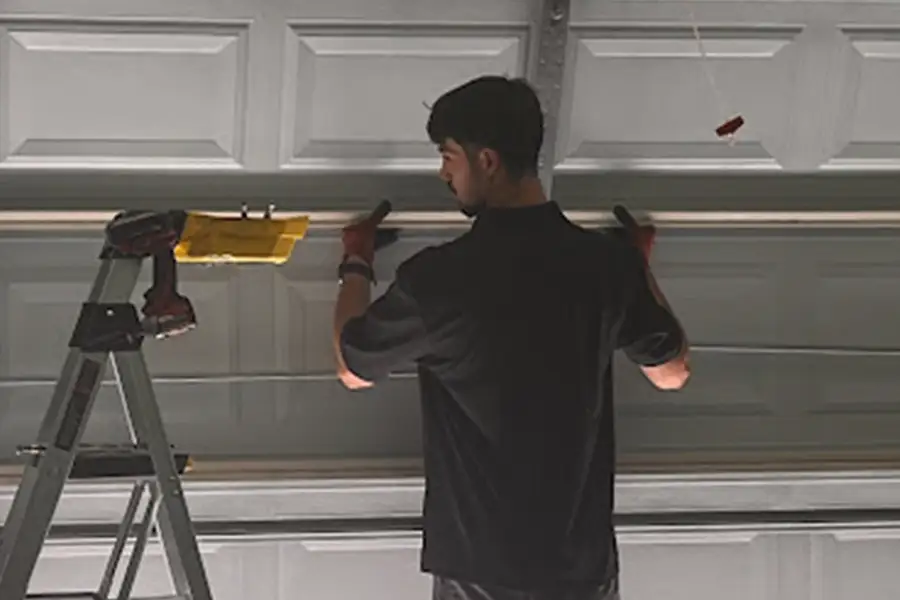
Professional Repair Restores Safe, Reliable Operation
A garage door that shows any of these signs is not operating at the level it should be. Professional repair addresses the root cause, restores full mechanical function, and confirms that safety systems are working correctly. Scheduling service promptly protects the door, the opener, and everyone who uses it.
What Are the Most Common Signs a Garage Door Needs Repair?
The most common signs include unusual noises during operation, slow or uneven movement, failure to open or close fully, and visible damage to panels, cables, or springs. Any of these issues warrants a professional inspection.
Is It Safe to Keep Using a Garage Door That Is Making Noise?
Unusual sounds often indicate worn or failing components. Continuing to operate the door can accelerate wear and increase the risk of a breakdown. A technician should assess the source of the noise before use continues.
Can I Fix a Garage Door Spring Myself?
Springs are under significant tension and should only be replaced by a trained professional. Attempting a DIY spring repair without proper tools and training poses a serious safety risk.
Why Does My Garage Door Reverse Before It Fully Closes?
This is typically caused by misaligned or dirty safety sensors, or incorrect limit settings on the opener. The reversal system is a built-in safety feature, and when it activates without cause, it should be inspected and corrected promptly.
How Often Should a Garage Door Be Professionally Inspected?
An annual inspection is recommended for most residential garage doors. If the door is used frequently or shows any signs of wear or malfunction, scheduling service sooner is the better approach.