A loud bang from the garage and a door that won't go up almost always means a broken spring. Call (833) 435-4540 and a real person answers, day or night. Our garage door spring repair replaces the springs, balances the door and starts with a written quote.
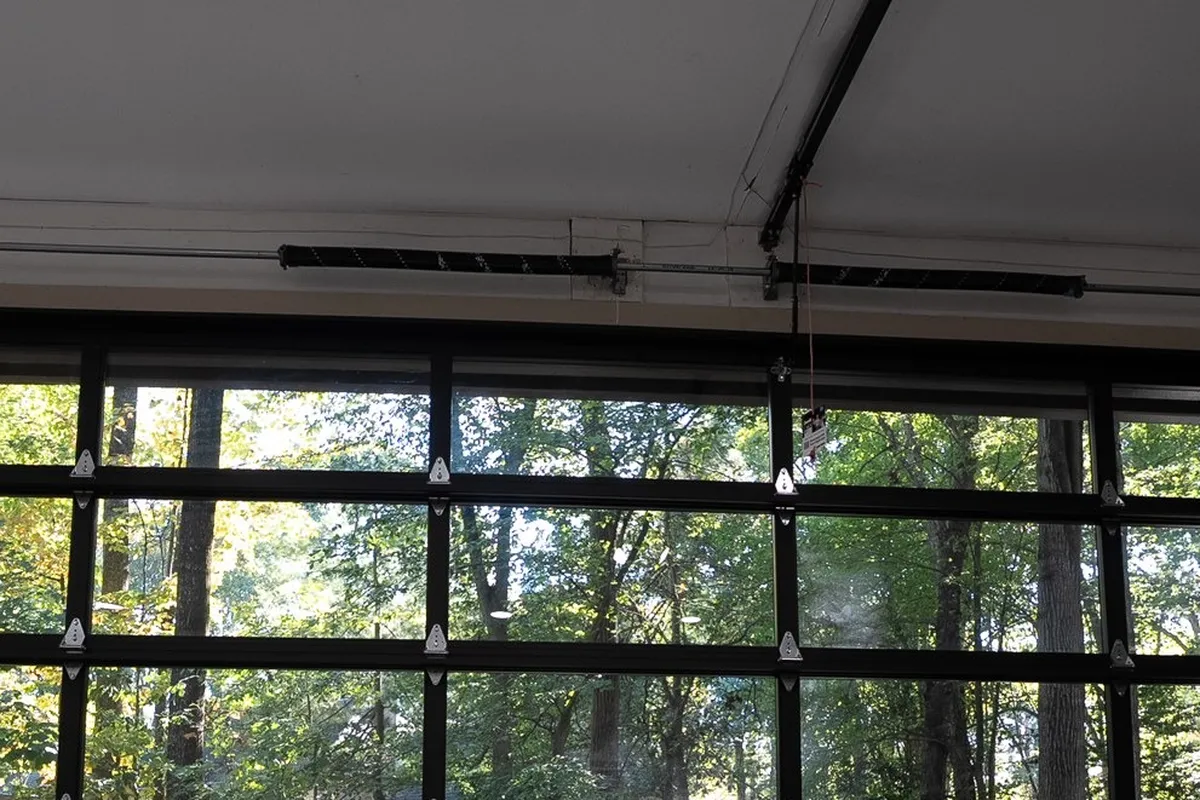
The springs carry the weight of your door, not the opener. Torsion springs sit on a steel bar above the opening and twist to lift the door. Extension springs run along the tracks on older, lighter doors and stretch as the door closes. Most newer doors use torsion springs.
Every open and close fatigues the steel a little. Standard springs are commonly rated for about 10,000 cycles, which is often around seven years at a few cycles a day, and less in a busy household that uses the garage as its front door. Cold weather, rust and a door that was never balanced properly shorten that.
Despite the name, garage door spring repair means replacement: a broken spring can't be fixed. On a door with two springs, both get replaced, because the one that survived has the same wear and usually fails within months. Once a spring is broken, do not run the opener. Leave the door where it is and call a technician.
The dispatcher books a two hour arrival window and texts you when the truck is on its way.
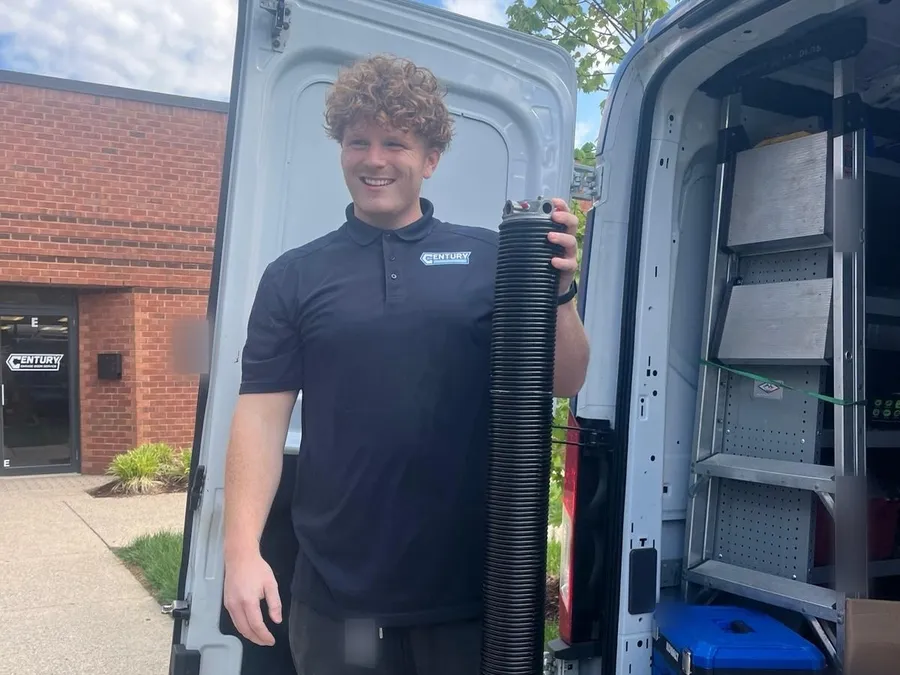
Wire size, inside diameter, length and wind, matched to your door's weight and height.
The price is on paper, and nothing starts until you approve it.
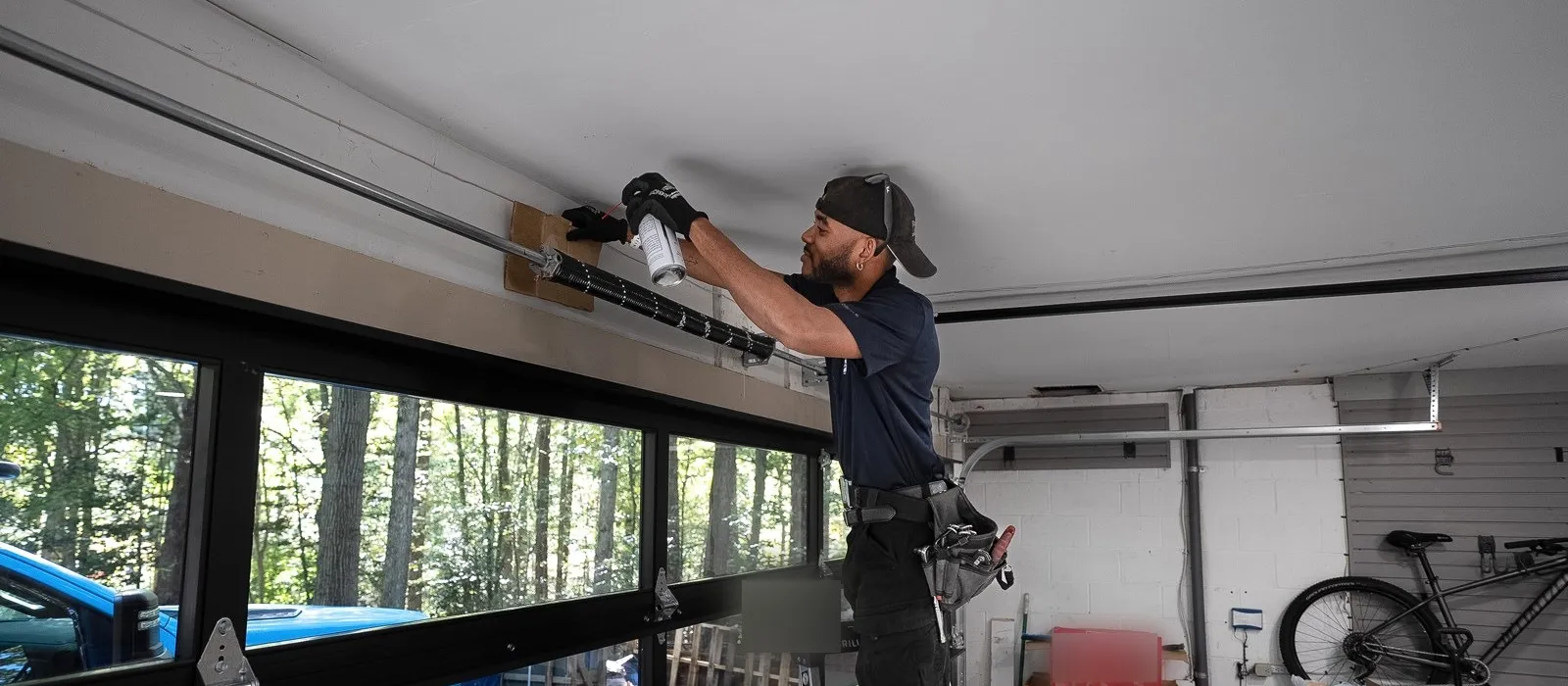
Both springs on a two-spring door, wound with proper winding bars. The trucks carry common parts, so most jobs finish on the first visit.
Cables, drums, bearings, rollers and hinges.
The door is balanced by hand, the opener limits are set, and the auto-reverse and photo eyes are tested before we leave.
No one can price a spring without seeing the door. The cost moves with the spring type, the size and weight of the door, whether one or two springs need replacing, the grade of spring, and whether the break damaged the cables, drums or bearings. You get a written quote on site, before any garage door spring repair begins.
| Job | Price tier |
|---|---|
| Extension springs on a light single door | $ |
| A matched pair of torsion springs on a standard double door | $$ |
| High-cycle springs with new cables, drums and bearings | $$$ |
We look at the door before we price the job. The quote covers parts and labor together, and the spring type and size set the price tier.
Your door gets a written quote before any work starts.
Read the full spring cost guide| Torsion springs | extension springs | |
|---|---|---|
| Where they sit | On a steel bar above the door opening | Along the tracks on each side of the door |
| How they work | Twist to lift the door | Stretch as the door closes, then pull it up |
| Common on | Most newer and heavier doors | Older and lighter single doors |
| When one breaks | It stays on its bar | It needs a safety cable through it to stop it whipping loose |
| Replacement | Both replaced on a two-spring door | Replaced in pairs as well |
Don't try, and wait for garage door spring repair instead. With a broken spring the door is dead weight, and lifting it by hand or with the opener can hurt you, burn out the opener or bring the door down fast. Never pull the red release cord while the door is open or jammed. Pull it only when the door is fully closed. If your car is stuck inside, call us at any hour and we'll get the door working.
Yes, on any door with two springs. The spring that didn't break has made the same number of trips as the one that did, and it usually fails within months. A door can't run safely on one spring either, because the remaining spring can't carry the full weight. Replacing both on one garage door spring replacement visit saves you a second call.
Usually 60 to 90 minutes once our technician is on site, a little longer if cables or bearings need replacing too. Most jobs finish on the first visit because the trucks carry common parts.
We measure the old spring's wire size, inside diameter, length and wind direction, then match it to your door's weight and height. A spring that's too strong or too weak leaves the door out of balance. An unbalanced door wears out the opener and the new springs faster, which is why no garage door spring repair of ours starts from a guessed size.
WD-40 is mainly a cleaner and doesn't last as a lubricant. A garage-door lubricant is the better choice.
Yes. Springs are a wear part, and garage door spring repair is one of the most common calls there is. They tend to break in cold weather, when the steel is less forgiving, and on doors that open and close many times a day.
It can. The opener is built to guide a balanced door, not to lift its full weight. When a spring breaks and the opener keeps trying, the motor strains, the gear wears and the door can bend or jump its track. Stop using the opener as soon as you hear the bang, and have garage door spring repair done before anyone runs it again.
On a torsion spring above the door, look for a clear gap of an inch or two in the coil where it snapped. On extension springs along the tracks, one spring hangs loose or looks stretched out next to the other. You may also see a cable hanging slack from its drum. If you see any of these, keep everyone clear of the door and call for garage door spring repair.
A worn spring usually gives some warning before it breaks. The door feels heavier when you lift it by hand, rises unevenly or jerks, or closes faster than it used to. You may hear more squeaking, or see rust and small gaps forming along the coil. A spring that shows these signs is near the end of its cycles, and planned garage door spring repair beats a door stuck shut on a cold morning.
Call (833) 435-4540 and a real person answers, day or night, with a two hour arrival window and a written quote before any garage door spring repair begins.
(833) 435-4540